Social Media’s Halal Impact
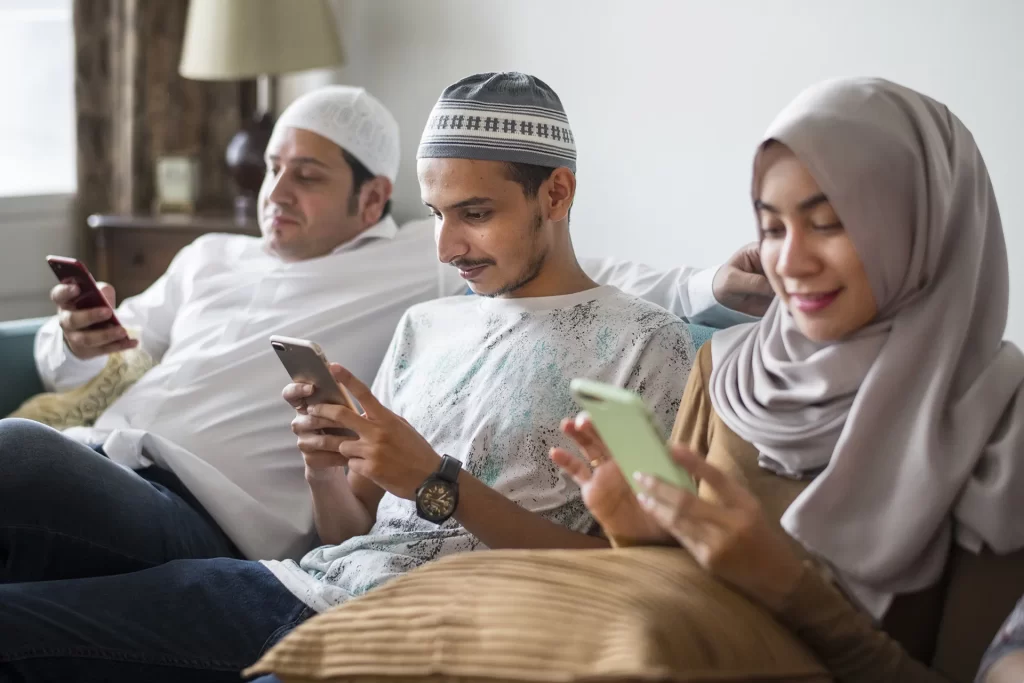
In today’s digital age, social media has transformed the way consumers engage with brands, make purchasing decisions, and even shape their cultural and lifestyle preferences. For Muslim consumers, social media platforms like Instagram, YouTube, and TikTok have played a pivotal role in defining what it means to live a halal lifestyle — from halal food trends to modest fashion and even religious practices, social media influencers and online communities are playing a significant role in promoting and shaping the halal consumer culture worldwide.
The Rise of the Halal Lifestyle on Social Media & its $3.2 Trillion Market
The global halal market has experienced exponential growth in recent years, driven in part by changing consumer behaviors and the increasing power of social media. According to the State of the Global Islamic Economy Report 2022, the global halal economy was expected to reach $3.2 trillion by 2024, led by sectors such as food, fashion, pharmaceuticals, and travel. Social media has become an essential tool in promoting these sectors, particularly in engaging with younger Muslim consumers who are active online.
A 2021 study by Statista found that 68% of Muslims aged 18-34 use social media daily, making this demographic a key audience for businesses and influencers targeting halal-conscious consumers. These platforms have not only facilitated the growth of halal-related products and services but have also empowered individuals to share and discuss their halal lifestyles on a global scale.
Where There’s Food, There’s Halal Food Trends and Influencers
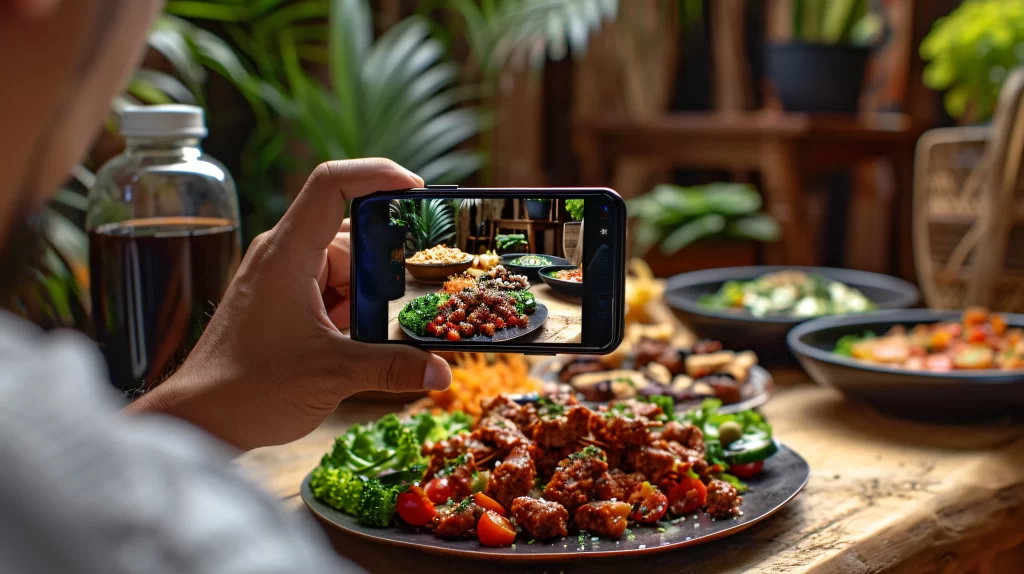
One of the most significant ways social media has influenced the halal industry is through the rise of halal food trends. Food bloggers, chefs, and influencers have created communities where halal consumers can discover new recipes, restaurants, and products that align with their dietary requirements. Platforms like Instagram and YouTube are filled with halal food influencers sharing everything from quick meal prep ideas to restaurant reviews.
In particular, Instagram’s visual format has allowed halal food to become a trend in its own right. Halal food influencers such as TheMuslimFoodies and thehalalhunt have gained large followings by showcasing mouth-watering dishes that appeal not only to Muslim consumers but also to a broader audience interested in exploring new cuisines. This growing online community has made it easier for Muslims, especially those in non-Muslim-majority countries, to find halal options and learn about new food trends.
Moreover, the shift towards plant-based diets has created a niche for halal plant-based food influencers. With increasing awareness of health and animal welfare, Muslim consumers are seeking halal-certified vegan and vegetarian options. Social media has played a key role in making halal plant-based foods mainstream, with influencers promoting companies like Beyond Meat and Impossible Foods, which now offer halal-certified versions of their plant-based products.
Modest Fashion and Halal Influencers Are in Demand!
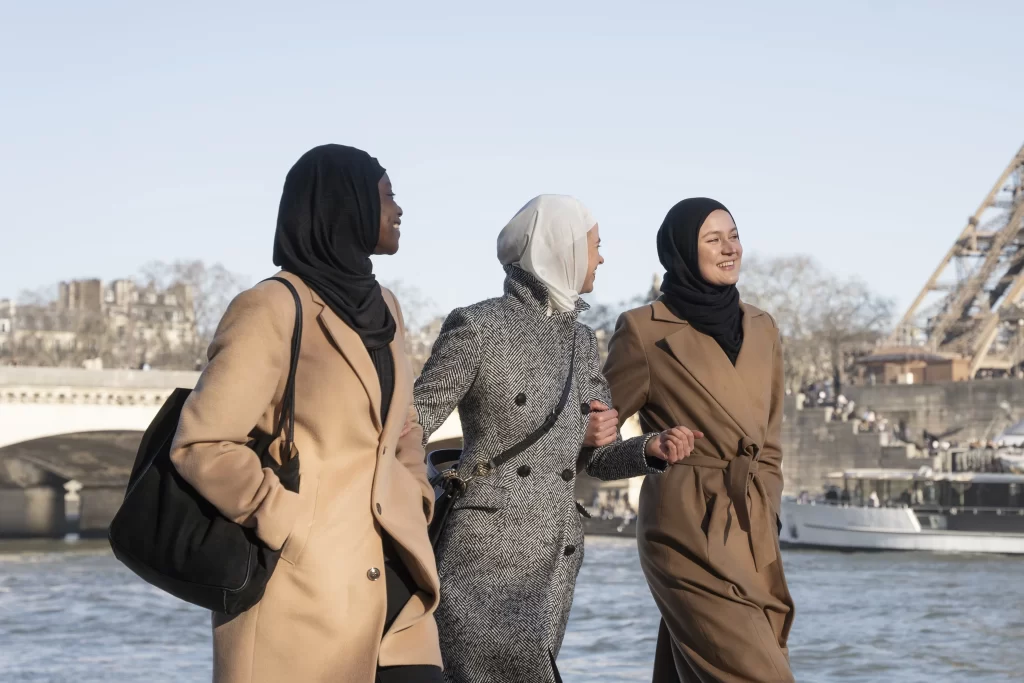
The halal fashion industry, particularly modest fashion, has also benefitted from the rise of social media. Modest fashion influencers and designers have built a strong online presence, helping redefine fashion standards to include stylish yet modest clothing. According to a report from The Modest Fashion Global Report 2022, the modest fashion market was expected to be worth $402 billion by 2024, with a significant portion of this growth coming from social media-driven trends.
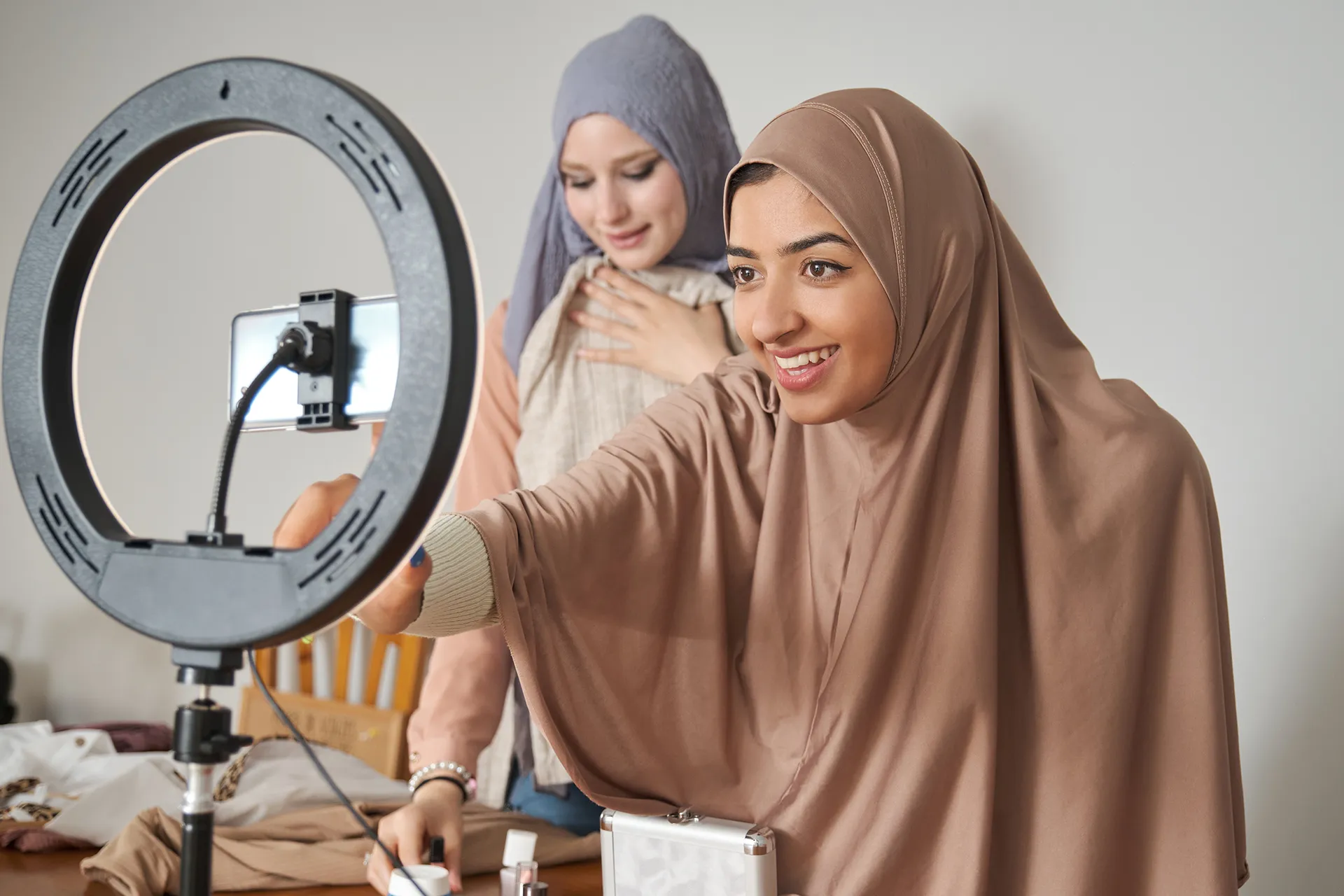
Instagram, in particular, has become a platform where modest fashion enthusiasts share their personal style and promote halal fashion brands. Influencers like queenndaroo, harleesha__, and modestmira have garnered large followings by showcasing fashionable, modest outfits that comply with Islamic principles of modesty. This has led to greater demand for halal-certified fashion brands that align with both Muslim values and modern fashion trends.
The power of social media in promoting halal fashion is not limited to individual influencers; it has also provided a platform for brands to reach a broader audience. Established fashion houses and emerging brands are now using platforms like Instagram and TikTok to showcase collections that cater to Muslim consumers looking for stylish yet modest attire. From hijabs and abayas to modest swimwear and everyday wear, social media has made it easier for consumers to access fashion that aligns with their cultural and religious values.
Religious Practices and Online Communities
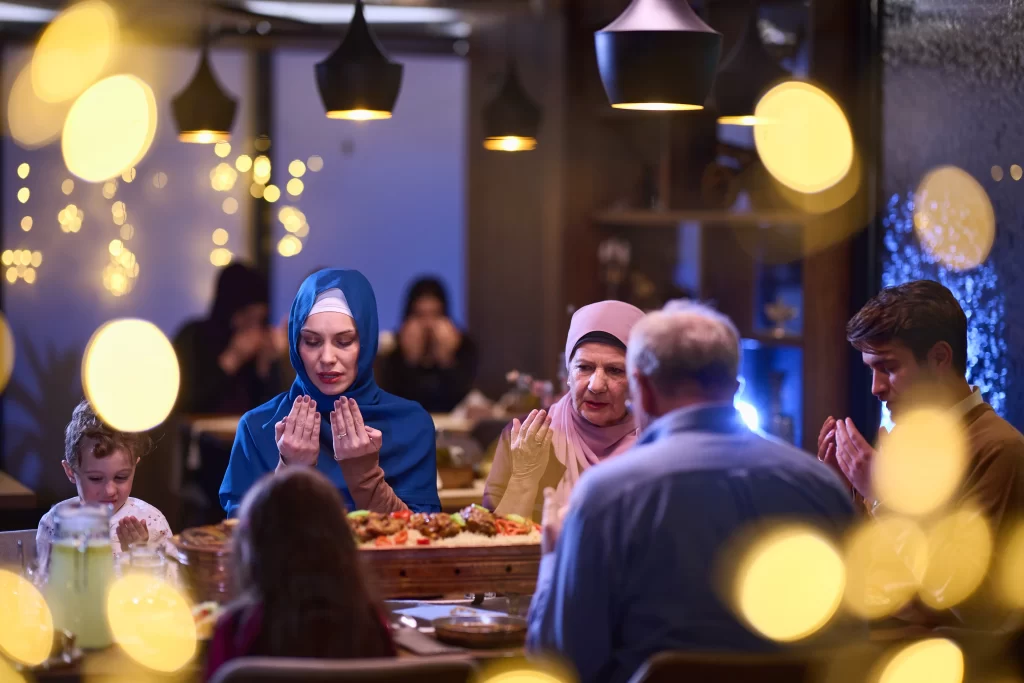
Social media is also reshaping how Muslims engage with their faith. Online platforms provide spaces for Muslims to share religious content, seek advice, and connect with like-minded individuals. For instance, during the month of Ramadan, Muslims across the world turn to platforms like Instagram and Facebook to share prayer times, fasting tips, and Quranic verses. Influencers and religious figures also use social media to discuss the significance of halal practices, from proper food preparation to ethical business practices.
Online communities such as #HalalLiving on Instagram and #HalalLifestyle on TikTok have grown to become virtual spaces where Muslims can discuss faith, family, and halal lifestyle choices. These online communities offer support and a sense of belonging, particularly for Muslims living in non-Muslim-majority countries. They also provide a platform for brands and organizations to share educational content on halal products, services, and religious practices.
The Role of Digital Platforms in Promoting Halal Products and Services
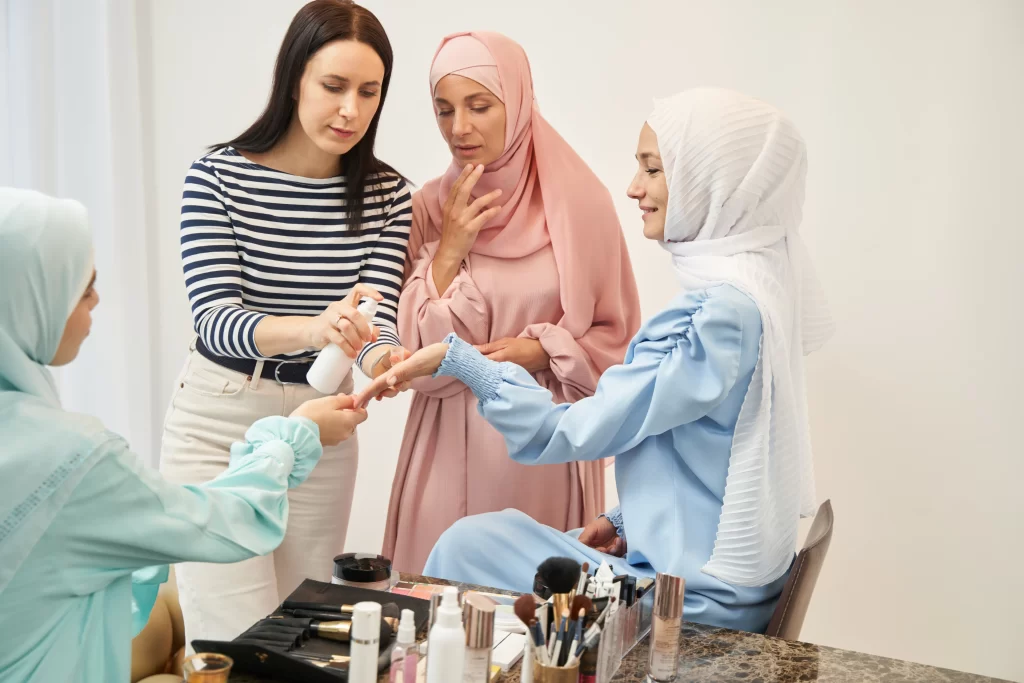
Beyond food and fashion, digital platforms have also played a key role in promoting halal products and services across a range of industries. From halal travel packages to halal skincare lines, businesses increasingly use social media and e-commerce platforms to market their halal offerings to a global audience. According to a 2022 report by Research and Markets, the global halal beauty market is expected to reach $94.92 billion by 2027, fueled by rising demand for ethically sourced and halal-certified personal care products.
Platforms like YouTube, Instagram, and TikTok are frequently used by influencers to review halal products, provide tutorials, and share personal experiences. Additionally, e-commerce platforms such as Amazon and Shopify have made it easier for halal brands to reach consumers directly, bypassing traditional retail models. This has opened up new opportunities for halal startups to gain visibility and expand their customer base.
Reshaping the Halal Industry — One Post at a Time
Social media has not only reshaped how Muslims interact with their culture and faith but has also driven the growth of the halal industry. Through the power of influencers, online communities, and digital platforms, halal lifestyle trends—spanning food, fashion, and religious practices—are now accessible to a wider audience. As social media continues to evolve, it will undoubtedly play an even greater role in shaping the future of halal consumer culture, driving innovation, and creating new opportunities for halal-conscious consumers and businesses alike.
By harnessing the power of digital platforms, the halal industry can continue to thrive in the digital age, offering consumers more choices and fostering a deeper sense of community and cultural expression.